

Skip to content
PLAD
ProductsProjects
Design YoursContact Us
Sign inBook a Call→
PLAD

SITEMAP

  • Home
  • About
  • FAQs
  • How PLAD Homes Are Built
  • Privacy Policy
  • Terms & Conditions

MORE

  • Dealers
  • Individual Homebuyers
  • Our Projects
  • Design Services
  • Government
  • Gallery
  • Products
  • Financing
  • Contact
  • Certifications

SOCIAL LINKS

  • Facebook
  • Instagram
  • YouTube
  • WhatsApp

CONTACT

2450 Hollywood Blvd, Suite 503

Hollywood, FL 33020

(305) 363-4035

info@pladhomes.com

© 2026 PLADHOMES ALL RIGHTS RESERVED

Living off the grid

A PLAD home can be built to run without a utility connection. These are the systems we specify to do it, what each one produces, and what it typically costs.

Talk to us about a build
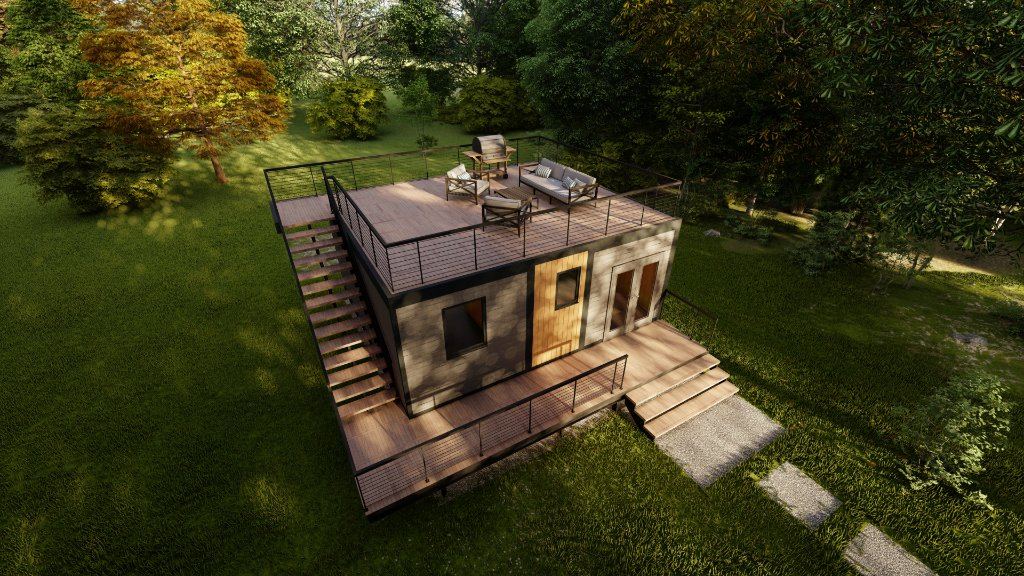
A PLAD OMNI home standing alone in woodland, with a rooftop terrace

How to read this page

These are individual systems, not a package. We specify them per project, around the site, the climate and how the house will actually be used. Figures below are each manufacturer’s published specification. Every system draws power, so the ones a house uses decide how big its power system has to be. Prices are indicative ranges for planning, not a quote.

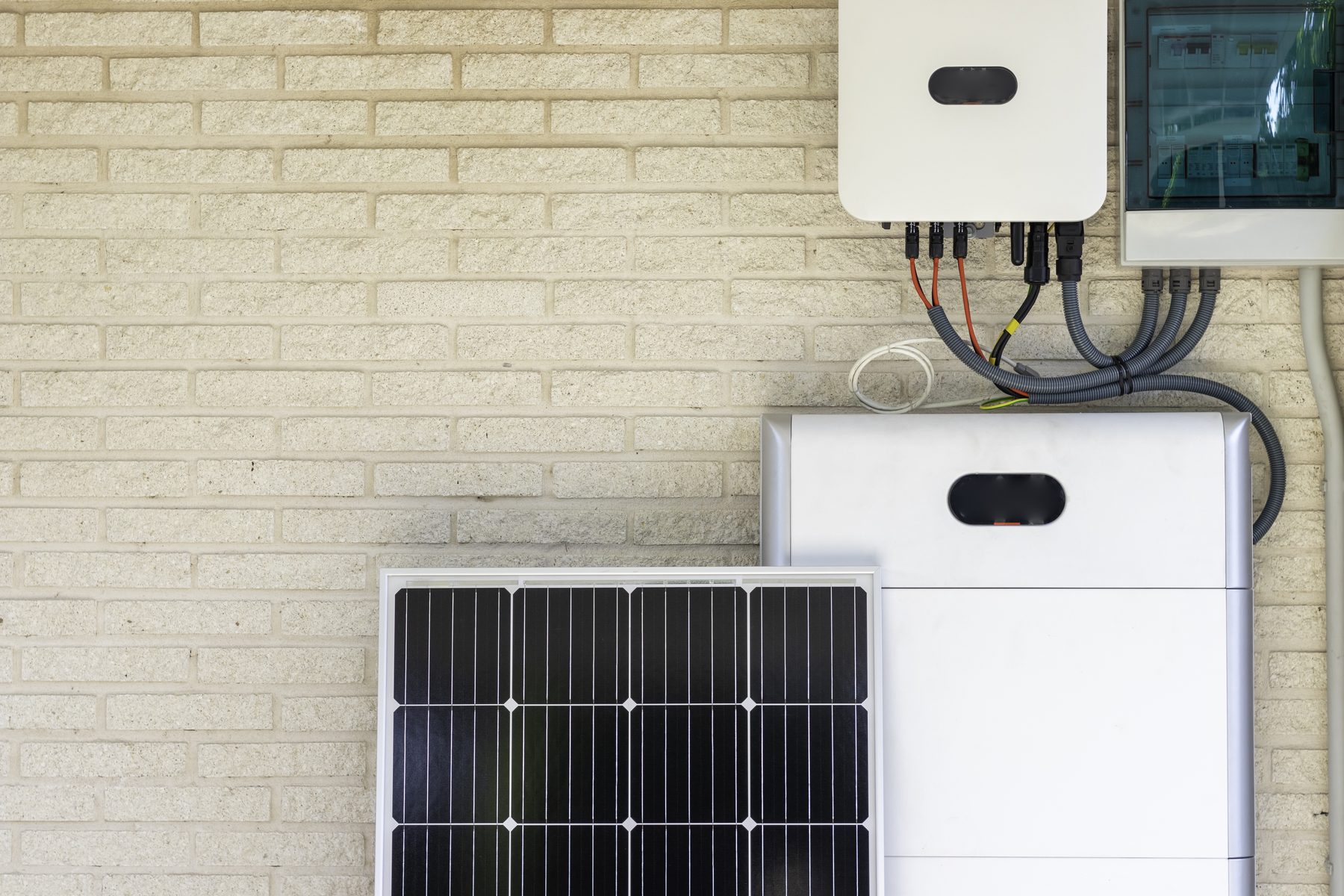
A solar panel, wall-mounted battery stack and hybrid inverter installed together on a house wall

Power

The standard array we build around: solar on the roof, a hybrid inverter, and enough battery to carry the house overnight.

Solar with battery storage

PLAD standard system

Twelve panels feed a hybrid inverter that runs the house, charges the battery and can sit alongside a generator or a grid connection where one exists. The battery is rack-mounted and modular, so a house that needs more overnight capacity gets more cells rather than a different system. Array size is set per project against the roof and the load.

Array
4.86 kW, 12 panels at 405 W
Inverter
5 kW hybrid, single phase
Battery
10.64 kWh lithium, modular
Warranty
25 years panels, 10 battery, 5 inverter

From $2,000 per kW typical, indicative only

Ask for the system specification
Clear drinking water being poured into a glass

Water

Where there is no well and no municipal line, the house can make its own drinking water out of the air.

GEN-M1 atmospheric water generator

Watergen

The unit pulls in air, condenses the moisture, then filters and mineralises the result to drinking quality. It needs no source water and no connection to anything, only power and humidity. Output falls as the air gets drier and colder, so it is sized against the local climate rather than the number of bedrooms. Power use tracks output at about 350 Wh per litre, so drinking water for a household is a modest load while running the unit flat out draws more in a day than the standard solar array above makes. We size the power system around the output a house actually needs.

Output
Up to 220 L / 58 gal a day
Power
2.2 kW nominal, 3.5 kW peak
Works from
59 °F and 15% humidity
Treatment
Filtration to 0.2 micron, UV, mineral balancing

$8,000 to $15,000 typical, indicative only

Watergen specification (opens in a new tab)

Water out, and waste

Four systems that deal with what leaves the house. They are not alternatives to each other. A house can carry any combination.

H300 greywater recycling

Hydraloop

Water from showers and baths is treated in six stages and reused, which takes up to 45% off what the house draws in the first place. There is nothing to replace inside it: no filters, no membranes, no chemicals. It stands about as tall as a fridge and takes roughly the floor space of one.

Capacity
360 L a day, up to 4 people
Energy
280 kWh a year
Certification
NSF/ANSI 350R
Noise
29 to 50 dB

$5,000 to $10,000 typical, indicative only

Hydraloop specification (opens in a new tab)

CE5 wastewater treatment

FujiClean

A single buried tank handles everything the house sends to drain and discharges treated effluent, which is what makes a build possible on a lot with no sewer. It is quiet enough to stand next to, needs servicing twice a year, and is pumped out every two to three years rather than annually.

Design flow
500 gallons a day
Sized for
3 to 4 bedrooms in most states
Certification
NSF/ANSI 40
Energy
1.2 kWh a day
FujiClean specification (opens in a new tab)

Incineration toilet

Cinderella

Each use is separated by a bowl liner and incinerated, leaving ash that is emptied every few weeks. Because nothing is flushed and nothing is drained, it removes the toilet from the plumbing problem entirely, which matters most on a site with no sewer, no septic field and a hard water budget. It vents to the outside through a flue.

Water used
None
Energy
1 to 2 kWh per cycle
Throughput
Up to 4 visits an hour
Venting
110 mm flue to outside

$6,500 typical, indicative only

Cinderella specification (opens in a new tab)

Biogas digester

HomeBiogas

Organic waste goes in, bacteria break it down without oxygen, and the system gives back gas that burns on a stove plus a liquid fertiliser for the garden. It suits a warm climate and a household that generates real organic waste. We size and site it per project, since output tracks what is fed in and how warm it stays.

Input
Food and organic waste
Output
Cooking gas and liquid fertiliser
Install
Above ground, no excavation
Best in
Warm climates

From $2,500 typical, indicative only

HomeBiogas technology (opens in a new tab)

Specifying this on a build

Which of these a house needs depends on the site more than the house. Tell us where you are building and what services reach the lot, and we will come back with the systems that actually apply.

Talk to us about a build

Specifications are published by each manufacturer and were current at the time of writing. Prices are indicative ranges for planning and are not a quote. Product names and trademarks belong to their owners.